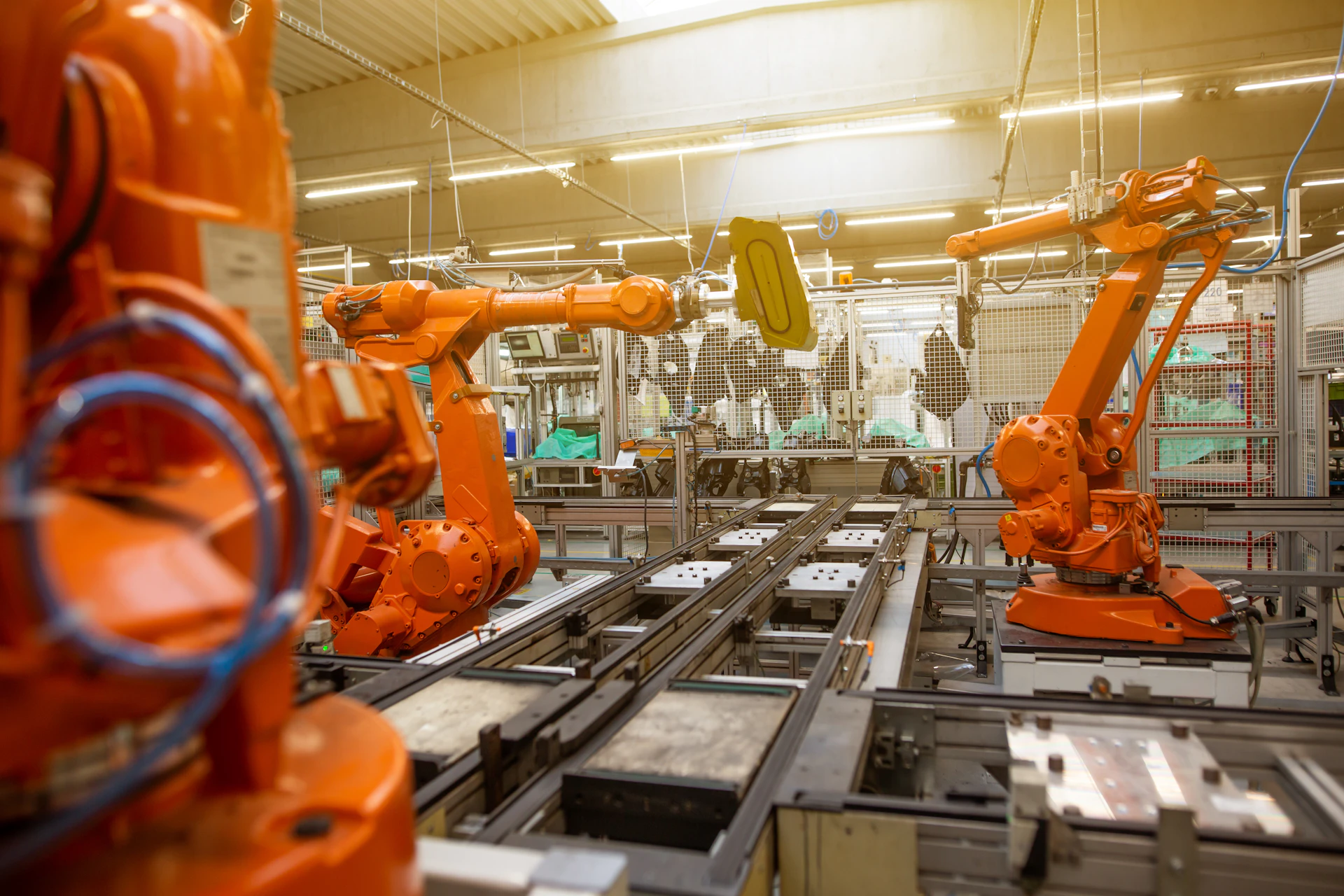

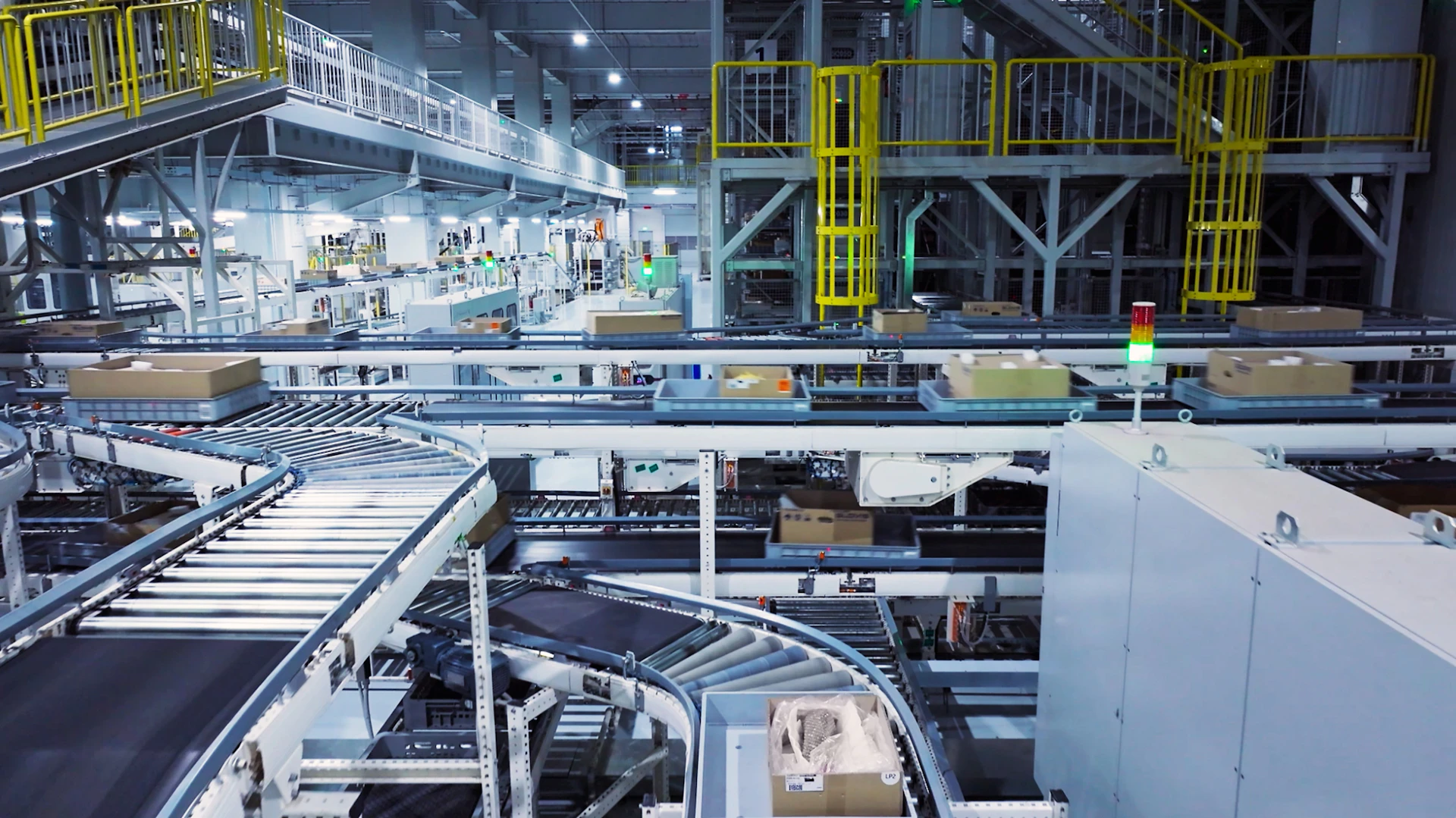



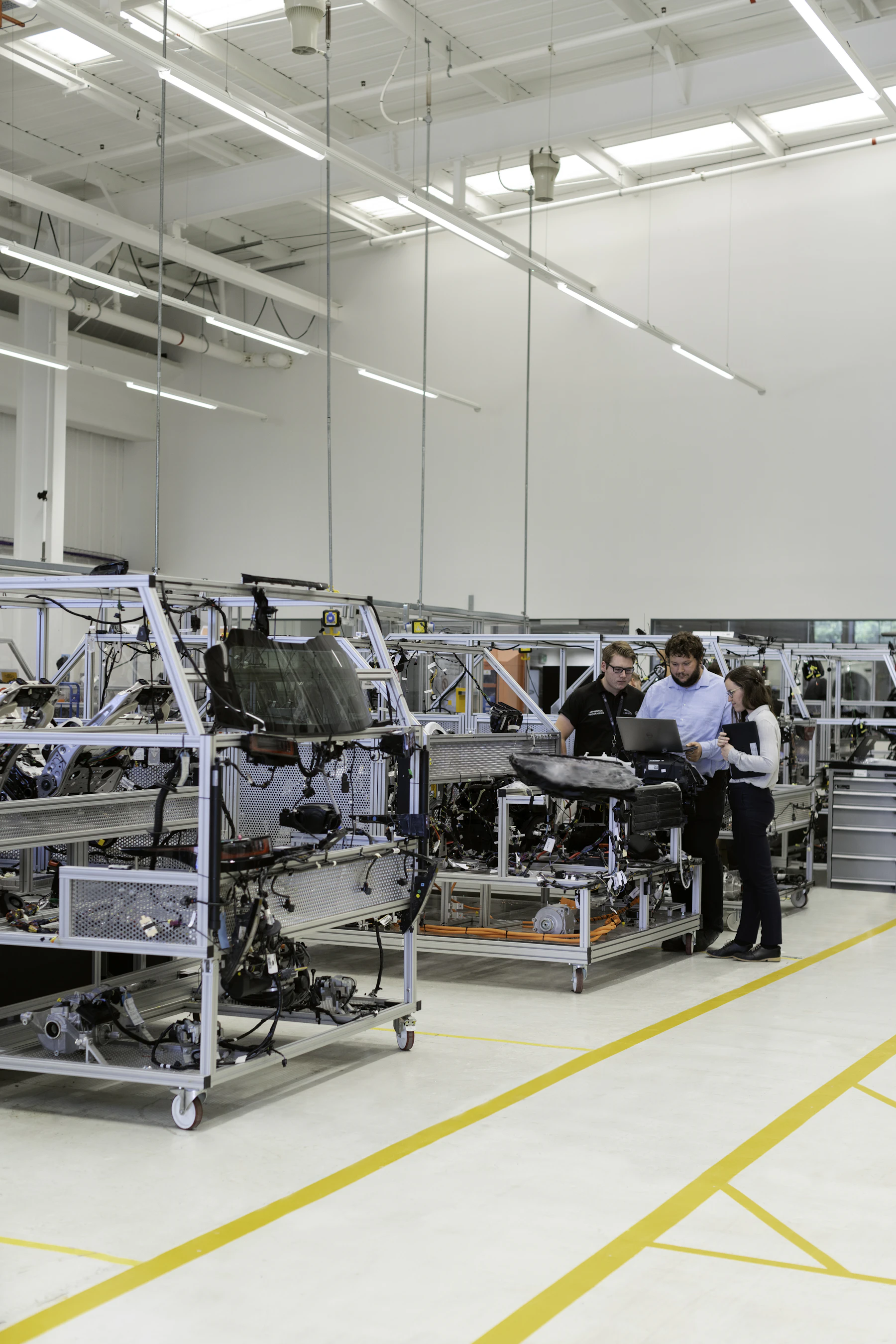
The pressure
Suppose your delivery cycle is six weeks and the business expects three. Output must keep scaling without headcount scaling at the same rate, and you run several systems that share state, where a change in one can quietly break another.
Scroll ↓
Gates → BuildA failing gate returns the failure as the agent's next input.
Human reviewA named person decides high-risk changes.
Release → SpecificationCompound: failures, fixes and review comments are written back into specs, tests and harness rules.
The idea
The pressure
Suppose your delivery cycle is six weeks and the business expects three. Output must keep scaling without headcount scaling at the same rate, and you run several systems that share state, where a change in one can quietly break another.
The risk
At the same time the risk list grows: evaluations, guardrails, data compliance, code provenance, and keeping a person accountable for what reaches production. Agents already write code in your organization. The question is whether your delivery system can absorb that speed safely.
How it works
Gates → BuildA failing gate returns the failure as the agent's next input.
Human reviewA named person decides high-risk changes.
Release → SpecificationCompound: failures, fixes and review comments are written back into specs, tests and harness rules.
What must happen, in which system, under which constraints. Quality is defined before any code exists.
Agents map which services and modules the change touches and what its blast radius is.
Agents write the change, module by module, against the specification.
Your tests, contract checks, security and policy scans run automatically on every change.
A failing gate sends the agent back with the failure as input, not a ticket to a human.
What passes every gate reaches a person as one decision, not a thousand diffs. Which changes must wait for a named person is set by a risk policy agreed with you.
Merge and deploy under your policy: manual, or automated by risk tier that you set.
Every failure, fix and review comment is written back into the specs, regression tests and harness rules. The next loop starts smarter than the last.
From hand-built software,
to engineered production.
Gates.
Compound.
Trust.
Safe at scale
Multi-system estates share state, and a change in one service can quietly alter another's behavior. The factory pattern answers with structure, not promises.
Contract tests on every boundary: producer and consumer must agree before anything merges.
Behavioral clones of the services you depend on, so agents can rehearse failure modes too dangerous or rate-limited for live services.
Explicit limits on error rate, latency and satisfaction: a breach halts the rollout; automatic rollback where reversible.
Why it compounds
Compounding is what separates a factory from a pile of generated code. One example: a migration agent renames a field and breaks a downstream consumer. A contract test catches it before merge. Then the write-back splits in two directions.

Visible to every future agent

Held out from every agent
Each cycle makes a repeat of the same class of mistake less likely: knowledge accumulates in the system, not only in people's heads.
Every, which publishes its compound engineering method, reports running five software products with each built mainly by one person, and credits this write-back loop. One team's account, worth reading directly.
The honest part
DORA's 2025 research found that AI acts as an amplifier: it magnifies the strengths and the weaknesses of the organization it enters. METR's early-2025 randomized trial found experienced open-source developers 19% slower with AI assistance; their 2026 follow-up estimates late-2025 tools now speed developers up, while warning that selection effects make the true size hard to measure. The honest reading: returns depend on the system around the tools, and the cited studies do not establish superiority over well-managed alternatives. The credible test is your own baseline; the pilot's metrics are how you would find out.
19%
slower with unmanaged AI assistance: METR randomized trial, early 2025
Amplifier
AI magnifies the delivery system it enters: DORA, 2025
5 products
run mainly by one person each: Every's published compound engineering account
Two ways to work with Lyra
Faster, with a person checking every result before it ships.
Your teams, set up to run the factory pattern with us.
A free implementation guide: how to pick one task type, set your baseline, run the loop and read the results. It comes with a Markdown prompt your AI agents can use to draft a plan from your company context, or you can simply use the framework yourself.
PDF and Markdown. Synthetic example only: nothing here needs your real data.
Specification to production, per change. Baseline set in the first pilot week; reviewed weekly.
Share of changes passing every gate without human repair. The trend matters more than any single week.
Regression tests, spec constraints and harness rules added per cycle. The compounding, made visible.
Changes reaching a person for sign-off, by risk tier. This should concentrate on high-risk tiers over time.
Time to detect a bad release and time to a safe state. The numbers that make speed safe.
The engagement design
Which models run, hosted or inside your own inference, and what code and data each may see.
Provider retention settings and no-training terms, verified per vendor.
Every service in the path named and approved by you before it touches code or data.
Where processing and storage happen, matched to your compliance obligations.
Least-privilege credentials, logged access, and who can grant what.
Which change types, per system, always wait for a named person.
Lyra delivers with forward-deployed engineers embedded in your team and a network of collaborating engineers who implement this way of working and enable teams on it.
Read more
Every claim on this page links to its source. Read them directly.
The research behind the methods
Three papers from this year that shape how the loop is designed. Expand each for what it shows and how it informs delivery.
What it shows. GPT-style models store about 3.6 bits of information per parameter. Models memorize training data until that capacity fills; past it, unintended memorization of specific datapoints decreases as the model generalizes.
How it informs the method. Data boundaries are design decisions, not afterthoughts. Which models run, what code and documents each may see, and vendor retention and training settings are agreed with you before anything runs.
Read the paper ↗What it shows. Aletheia, a research agent, generates, verifies and revises its own work end-to-end. Evaluated on hundreds of open Erdos problems, it solved a small number fully autonomously, and the paper ships human-AI interaction cards documenting the autonomy behind each result.
How it informs the method. The generate, verify, revise loop is the same shape as the factory loop, and explicit autonomy documentation is how a person stays accountable for what ships. This is a mathematics result, not a software delivery claim.
Read the paper ↗What it shows. Years of deepfake research optimized for detecting fakes and protecting viewers while missing the dominant harm: non-consensual imagery of the person depicted. Knowing an image is synthetic does not undo that harm.
How it informs the method. Measurement can miss the real risk. The factory's gates and evals start from your risk list, designed from the harm you actually fear rather than the metric that is easy to collect.
Read the paper ↗One call. We map your delivery flow and name the first task type worth a factory. You leave with a position on dark factories whether or not we ever work together.